
"Japanese coffee consumption"
900 article(s) found

Introduction to the characteristics of Yunnan Tieka Coffee Flavor Flavor Manor
Tibika and Bobang coffee are the main cultivated varieties in Baoshan since the Yunnan Academy of Agricultural Sciences in 1951, and they are only planted in low-altitude areas below 1000 meters above sea level. They have won the gold medal internationally. The world's coffee (tooth sales plus) Blue Mountain Coffee is developed because of its low output (about 900 tons per year) and because its planting industry is supported by the Japanese.

Fine Coffee Culture the History of Coffee and Tea in Japan
Compared with coffee, Japanese tea culture is more traditional and far-reaching, so if we want to mention coffee, let's first learn about Japanese tea culture. Tea has a very long history and origin in Japan. Japanese tea was introduced from China in the 8th-9th century because of the exchange of Buddhism. At the same time, people also brought tea seeds into Japan. By the 12th century, it had been opened in Japan.

China's coffee consumption is increasing year by year-the growth rate has been stable at more than 16% in the past decade.
In terms of absolute quantity, coffee consumption in China is still in the doldrums. At present, the scale of the global coffee consumption market is about 12 trillion RMB. The United States is the largest coffee consumption market in the world, with an annual consumption of about 3 trillion RMB, while the coffee consumption market in China is about 70 billion RMB. However, in terms of growth rate, the annual growth rate of coffee consumption in China is about 15%, which is much higher than that of the whole country.

How much coffee does the world drink every day? Do you drink differently from place to place?
According to the statistics of ICO (International Coffee Organization) in 2007, the country that imports the largest amount of coffee is the United States, which imports nearly three times that of Japan, Germany ranks second, and Japan ranks third; if exports are taken into account, Brazil ranks second, while Japan ranks fourth in terms of coffee consumption; if ranked by per capita consumption, Finland, Norway,

Nanjing Independent Cafe recommended-Pause Cafe Nanjing Japanese Minimalist Cafe
Professional coffee knowledge exchange more coffee bean information please follow the coffee workshop (Wechat official account cafe_style) Nanjing Independent Caf é Pause Cafe: the good aftertaste of the pause in the teeth recommended reason can be a place for everyone to pause their own pace of life, stop and have a rest. Shop name: Pause Cafe Category: Nanjing Cafe address: Gulou, Nanjing City, Jiangsu Province

Popular Cafe Management Tips| How coffee shops create reasons why consumers have to come
Professional coffee knowledge exchange More coffee bean information Please pay attention to coffee workshop (Weixin Official Accounts cafe_style) According to incomplete statistics, the number of coffee shops in China has reached more than 100,000 at present. In addition to Starbucks, the coffee giant that led the way in the early years, Ruixing Coffee, a new brand that is catching up with us, and convenience store coffee that is silent all over the streets, the number of coffee shops has reached more than 100,000.

Japanese media: has the number of Starbucks become the economic indicator of Chinese cities?
For the exchange of professional baristas, please follow the coffee workshop (Wechat official account cafe_style) Japan's Sankei Shimbun article on June 22, the original title: the number of Starbucks has become an economic indicator? Local government officials also care about the number of shops, which city has the largest number of shops? According to Chinese media, the number of stores in Starbucks, an American coffee chain, has become a new indicator of the competitiveness of Chinese cities.
Analysis of China Coffee Consumption Market in 2015
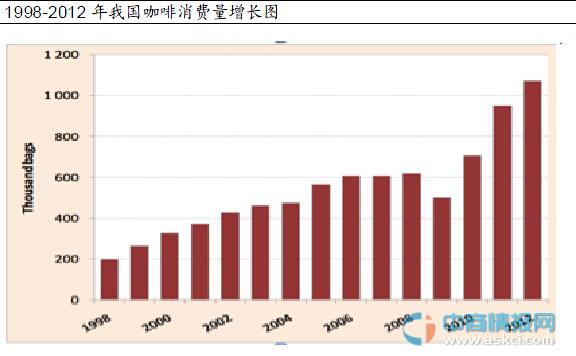
1. Changes in coffee drinking volume and drinking structure in China: compound 13% growth, instant-ready to drink-fresh grinding From 1998 to 2012, coffee consumption in China increased from 199,000 bags to 1.1 million bags, with an annual growth rate of about 12.8%. China has a population of about 1.3 billion, and coffee consumption has risen from 9.6 grams to 47.6 grams, with an average annual growth rate of about 12.1%. If the growth rate of 12.8% is maintained, the deadline

History of Coffee planting in the early stage of Coffee introduction and expansion in China (4)
1. Textual Research on the early introduction of Coffee in Taiwan in 1884 1.1 in May 2004, the author investigated Gukeng in Yunlin County and Alishan Coffee growing area in Chiayi County. In November 2009, I once again visited Gukeng in Yunlin County and Dongshan Coffee growing area in Tainan County, Jianhu Mountain World Coffee Museum, and visited the World Coffee Exhibition in Taipei and the National Museum of Taiwan History.

A textual Research on the early introduction of Coffee in Taiwan in 1884
1.1 in May 2004, the author visited Gukeng in Yunlin County and Alishan Coffee growing area in Chiayi County, Taiwan. In November 2009, I once again visited Gukeng in Yunlin County and Dongshan Coffee growing area in Tainan County, Jianhu Mountain World Coffee Museum, and visited the World Coffee Exhibition in Taipei and the National Museum of Taiwan History. 1.2 before the 16th century, Westerners had roots on the dinner table
The History of Coffee introduction and expansion in China in the early stage (4)
1. Textual Research on the early introduction of Coffee in Taiwan in 1884 1.1 in May 2004, the author investigated Gukeng in Yunlin County and Alishan Coffee growing area in Chiayi County. In November 2009, I once again visited Gukeng in Yunlin County and Dongshan Coffee growing area in Tainan County, Jianhu Mountain World Coffee Museum, and visited the World Coffee Exhibition in Taipei and the National Museum of Taiwan History.

History of introduction and expansion of Coffee in China in the early stage of Coffee Development (4)
1. Textual Research on the early introduction of Coffee in Taiwan in 1884 1.1 in May 2004, the author investigated Gukeng in Yunlin County and Alishan Coffee growing area in Chiayi County. In November 2009, I once again visited Gukeng in Yunlin County and Dongshan Coffee growing area in Tainan County, Jianhu Mountain World Coffee Museum, and visited the World Coffee Exhibition in Taipei and the National Museum of Taiwan History.
Is the traffic password for% Arabica coffee invalid?
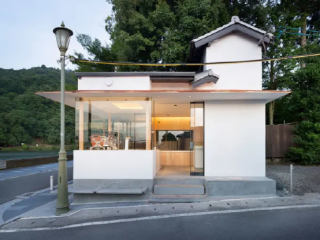
Once upon a time, it was just a percent sign, and it felt very high-end when sitting inside. This boutique coffee brand marked by the percent sign has become the representative of the online celebrity coffee wave. Unexpectedly,% Arabica looks very Japanese, but it is a boutique coffee brand that started in Hong Kong, China in 2013. Experienced

Chinese people fall in love with coffee foreign coffee chains are growing rapidly in China
The picture of a Starbucks store in China comes from a report by foreign media on December 30 that many foreign brands and business models from Best Buy to B & Q have encountered a Waterloo in China. However, the Western retail concept of foreign coffee shops, which was perhaps the least likely to succeed, has flourished in China. According to a report on the Financial Times website on December 29,
Fine coffee tastes better like a small cup of coffee.
Japanese economist Yoshimoto Yoshimoto's "Buy a large Cup of Coffee at Starbucks" has affected the fast coffee consumption view of countless people, and as more and more coffee shops of different forms have sprung up everywhere in Guangzhou in recent years, you will find that coffee customers are so dismissive of this economic view of coffee consumption that they even think that, in all levels, it is necessary to really enter the wonderful coffee world.

Flavor description of Costa Rican yellow honey coffee beans introduction to the regional treatment method of manor production
Costa Rican yellow honey coffee beans flavor description taste manor production area treatment method to strengthen the export of high-quality coffee to Europe, the United States, Japan and other countries. European and American countries have high living standards, high consumption levels and high requirements for the quality of coffee. A cup of high-quality coffee can sell for $3.25 in Europe and the United States. My brother launched a strong publicity campaign for the European, American and Japanese markets. This offensive

The Development of Coffee Industry in China
There is great potential for the development of the domestic coffee market. With the rapid development of China's economy and the continuous improvement of people's living standards after China's entry into WTO, coffee is being accepted by more and more Chinese. Coffee is no longer just a drink, it is gradually closely linked with fashion and taste, or make friends and talk, or business talks, or leisure, in a cup of coffee filled with music.
The growing coffee consumption market
First, the growing consumer market in the past decade, coffee shops have sprung up in the streets of major cities in China, especially with the entry of Starbucks, Shangdao and other large enterprise groups, the market is showing a lively scene. We can find that the consumer group of coffee is gradually growing, the coffee culture is gradually taking shape in inland cities, and the domestic coffee every year.
Do you know why Japanese coffee culture is unique? why Japanese coffee is so good?
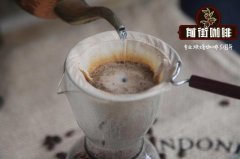
Professional coffee knowledge exchange more coffee bean information please follow the coffee workshop (Wechat official account cafe_style) talking about the coffee territory of the world today, Japan is a country that has to be mentioned, although it does not produce a single coffee bean, nor is it like Italy or the United States for 30 years, it took Japan centuries to develop its own unique coffee culture.

Analysis | Development of coffee shop franchise industry in China in 2017
Professional barista communication please follow the coffee workshop (Wechat official account cafe_style) Coffee one of the three major drinks in the world, which is rich in protein, crude fiber, crude fat, caffeine and so on. Because of its unique mellow taste and refreshing and exciting effect, it has gradually become an indispensable daily drink for modern people. Baristas are the second largest traded commodity in the world after oil.